
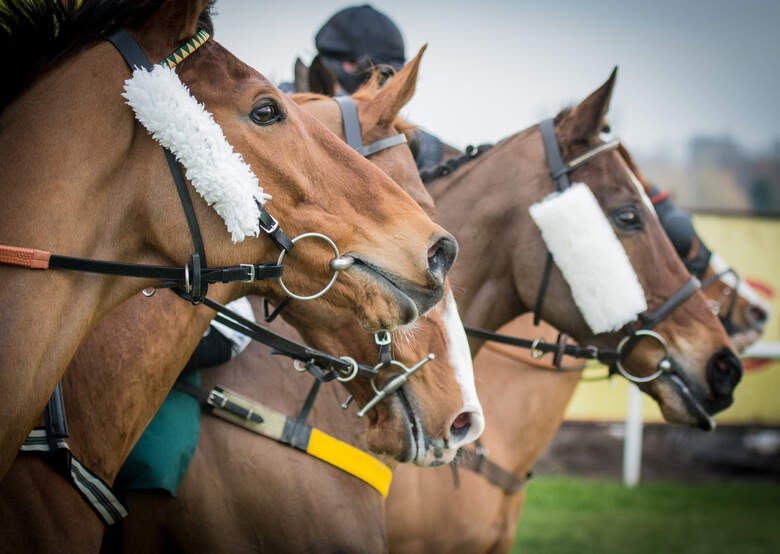
Criminal black market poised to profit from derby fever
The illegal gambling black market is poised to profit from this weekend's Betfred Derby Festival, with up to £10m expected to be staked with illegal operators across the two-day Epsom meeting, including as much as £5m on the Derby itself, the Betting and Gaming Council has warned ahead of Britain's biggest and most prestigious flat horse race.
First run in 1780, the Derby remains the centrepiece of the British flat racing season and one of the most iconic events in the sporting calendar, attracting millions of racing fans and punters across the country.
But while the festival showcases the very best of British racing, criminal gambling operators are also expected to target customers, exploiting the event's popularity with illegal betting products that offer none of the standards, safeguards or consumer protections required in the regulated sector.
Recent independent analysis from WARC found unregulated operators now account for almost half of all UK gambling advertising spend, while separate analysis by H2GC forecasts the amount staked with illegal operators in Britain will almost double from £17bn this year to more than £33bn by 2028.
The BGC said tax rises on betting operators, combined with the looming threat of intrusive financial risk checks requiring customers to provide personal financial documents such as bank statements, risk making it harder for regulated firms to compete with illegal operators who openly flout the law.
The figures underline the growing threat posed by the criminal gambling black market, which seeks to profit from major sporting occasions while paying no UK tax and offering no protections to customers.
Grainne Hurst, Chief Executive of the Betting and Gaming Council, said:
"For more than 240 years, the Derby has been one of the defining moments in British horse racing.
"But while millions of customers will enjoy betting safely with regulated operators this weekend, the criminal black market will also be looking to cash in, offering bettors none of the protections available in the regulated sector.
"Recent evidence shows the black market is growing its reach and influence. Policies that make it harder for regulated operators to compete, risk driving more customers towards unsafe, unregulated gambling.
"The priority must be keeping customers in the regulated market, where robust protections are in place, rather than pushing them towards illegal operators."
Licensed betting operators in Britain must meet strict regulatory standards, including age verification, anti-money laundering checks and safer gambling protections. By contrast, illegal gambling operators operate entirely outside the law and provide no safeguards for consumers.
The regulated betting and gaming sector supports more than 109,000 jobs, contributes £6.8bn to the UK economy and raises over £4bn in tax each year, while also providing vital funding for British horseracing, helping support racecourses and the long-term future of the sport.
 We will protect your personal information.